ROBINSON, PA · TELEHEALTH STATEWIDE
Jessika Izzo, MS, LPC
“You do not have to wait for life to get easier before allowing yourself healing, hope, or growth.”
Jessika Izzo is a Licensed Professional Counselor at CPA Counseling’s Robinson office, also seeing clients by secure telehealth across Pennsylvania. Over ten years with adolescents, adults, and families on anxiety, ADHD, OCD, depression, addiction, and life transitions — across every level of care. Specially trained in ERP for OCD. Individual and family sessions, in person or virtual.

WHO JESSIKA WORKS WITH
Who she’s for
Jessika works with adolescents, teens, young adults, adults, and families. Women, men, and LGBTQ+ clients. Individual and family sessions — she does not see couples.
why work with Jessika
You already have the capacity
Her stated starting point: you already possess the capacity for change, and therapy helps you strengthen it at a safe, empowering pace. Not a reassurance — a position on where the work actually comes from.
HOW JESSIKA WORKS
Ten approaches, one lens
Everything runs through a trauma-informed lens — how past experience shapes present interactions. The ten approaches get selected around that, not instead of it.
CONDITIONS TREATED
What Jessika treats – who Jessika sees
- Anxiety
- ADHD
- OCD
- Depression
- Trauma
- Addiction
- Technology Addiction
- Family Issues
- Life Transitions
- School / Academic
- Workplace Stress
- Chronic Pain
- Self-Esteem
- Anger Management
For OCD
ERP trained — specifically for OCD
“You do not have to wait for life to get easier before allowing yourself healing, hope, or growth.”
CARE PHILOSOPHY
Start where you are. Not where it is easier.
Jessika’s stated position is that you do not have to wait for life to get easier before allowing yourself healing, hope, or growth — therapy helps you navigate where you are while creating change forward. Most people wait for a better moment that does not arrive.
One of the first steps in healing, as she puts it, is creating a supportive space to explore your inner experiences, strengthen self-understanding, and build resilience. Therapy is where you recognize unhelpful thought patterns, reduce avoidance, and build tools for regulating emotion.
Reaching out can feel like a big step, and she is explicit that you do not have to take it alone. The pace is yours — processing experiences at a speed that feels empowering and respectful rather than being moved along someone else’s timeline.
ABOUT JESSIKA
Understood, empowered, and supported
Jessika Izzo has over ten years of experience working with adolescents, adults, and families navigating mental health and addiction challenges across various levels of care.
She specializes in supporting individuals experiencing anxiety, depression, life transitions, trauma, and relationship difficulties through a collaborative, trauma-informed approach. Her goal is a calm, nonjudgmental space where clients feel empowered to build resilience, strengthen self-awareness, and create meaningful change.
Jessika provides individual and family therapy for adults and teens, in person and virtually. Her trauma-informed approach integrates CBT, DBT, motivational interviewing, and person-centered therapy, supporting clients in building emotional regulation, increasing self-awareness, and developing healthier relationships with their own thoughts and emotions.
Using a trauma-informed lens, she explores how past experiences shape present interactions. Her stated belief is that you already possess the capacity for change and that therapy helps you strengthen it at a safe, empowering pace. She holds an MS from Clarion University of Pennsylvania and sees clients at the Robinson office and by telehealth across Pennsylvania.
Years in Practice
Robinson & Telehealth
ERP Trained for OCD
Rare in this region
Personalized Care Plans
No program commitments required
CONDITION GUIDE
Therapy guides from Jessika Izzo

Gottman Method
What Can Your Relationship Become? A Gottman Story
Gottman Method couples therapy helps couples move beyond recurring arguments by changing the patterns underneath them. Couples learn to recognize criticism, defensiveness, contempt and withdrawal; communicate needs more clearly; repair conflict sooner; strengthen friendship and intimacy; and build shared goals. The aim isn’t a relationship without disagreement. It’s a relationship both partners know how to return to.

Couples & Marriage
Falling Out of Love? What It Means & What to Do
Feeling like you’ve fallen out of love is confusing and painful, but it doesn’t automatically mean the relationship is over. Self-reflection — including understanding your attachment style and your own patterns — often reveals what’s really going on. Therapy can help you understand yourself, reconnect, or gain clarity. Tess Inman, LPC, Director of Clinical Services, helps couples across Pittsburgh’s South Hills.
Children & Adolescents
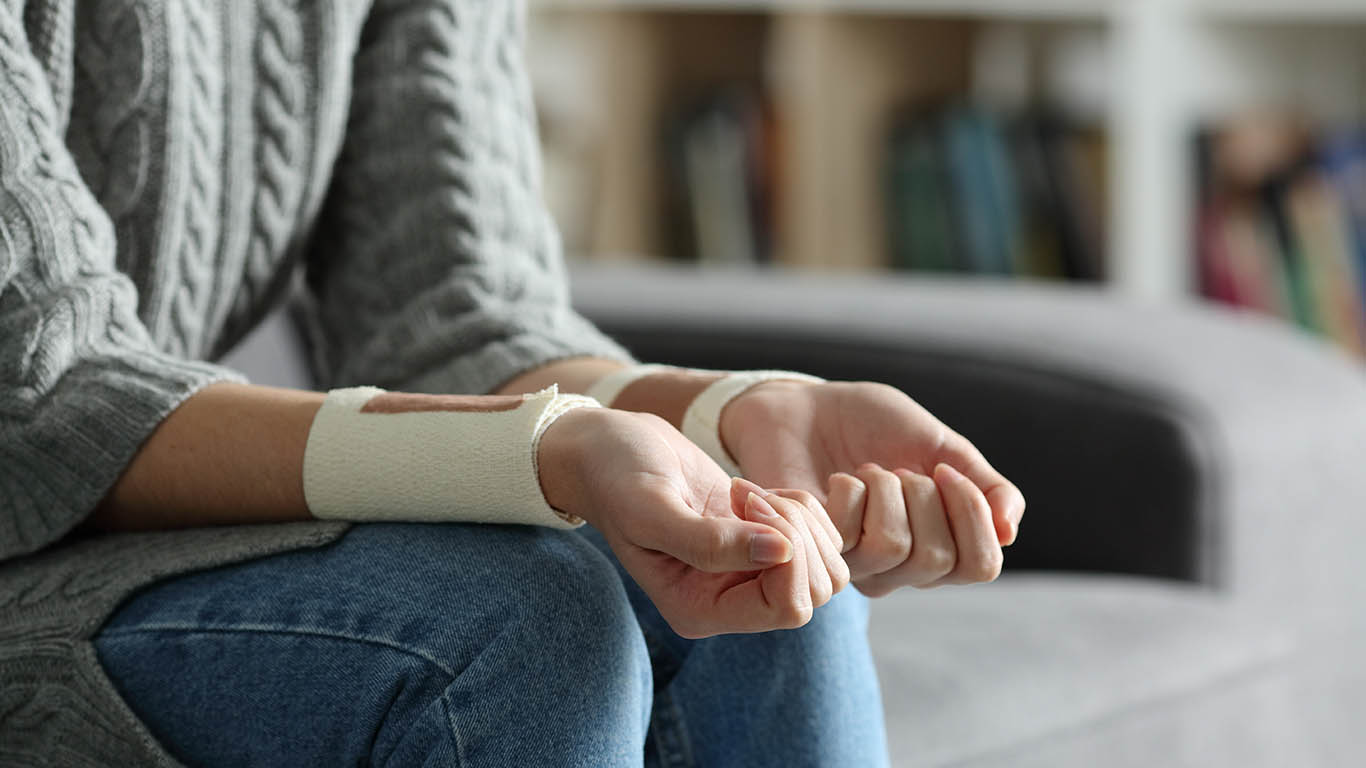
Is My Teen Self-Harming? A Parent’s Guide to Cutting
Self-harm, like cutting, is usually a way a teenager copes with overwhelming emotional pain — most often it is not a suicide attempt, but it always deserves to be taken seriously. If you’ve discovered your teen is self-harming, respond with calm support rather than panic or punishment, and seek professional help; therapies like DBT are very effective. If your teen has thoughts of suicide or is in danger, call or text 988.