FOUR OFFICES ACROSS PENNSYLVANIA · TELEHEALTH STATEWIDE

Gottman Method Couples Therapy
in Pennsylvania

For couples who still love each other but don’t know how to stop hurting each other. If every conversation turns into the same argument — and you don’t want a divorce, you want each other back — the Gottman Method can teach you how to reconnect.

Gottman Method couples therapy at CPA Counseling is a structured, research-based approach to rebuilding communication, friendship, and trust. Your therapist assesses your relationship, then teaches practical skills for repairing conflict and reconnecting — in person at our four Pennsylvania offices or by secure telehealth statewide. It’s built for couples who want to work on the relationship, not decide whether to end it.

Gottman Method
No program commitments
UPMC · Aetna · Highmark · Cigna
All ages treated
Telehealth available statewide
Serving Clients since 2015

The Real Problem

It’s rarely about the dishes

Most couples don’t arrive over one big thing. They arrive because something underneath keeps resurfacing — and they’ve run out of ways to talk about it.

What’s happening on the surface

Communication keeps breaking down. The same conversation turns into the same argument, and nothing actually gets resolved — it just gets shelved until next time.

What it’s starting to feel like

Underneath the arguing is a quieter worry: that you’ve simply grown apart, that you’re becoming roommates, that the closeness you used to have isn’t coming back.

Why is it not your fault

Healthy relationships aren’t built on luck or chemistry alone. They’re built on specific skills — ones most of us were never actually taught. That’s learnable.

Where You Are Now

You’re not broken — you’re in between

Almost every couple who reaches out is somewhere in the middle of a transition. Something in how you used to connect has ended — sometimes from one clear event, sometimes from years of small ones — and a new way of being together hasn’t taken shape yet. That in-between is where the same arguments and the quiet distance tend to live.

“We weren’t always like this. Every conversation becomes an argument. We keep having the same fight. I don’t feel understood anymore. I don’t want a divorce — I want us back.”

The messy middle isn’t the end

Feeling like roommates, bracing for the next fight, wondering whether you’ve grown apart — these usually aren’t signs the relationship is over. They’re signs you’re in the space between an old pattern that stopped working and a new one you haven’t built yet. That’s a normal, survivable part of any real change.

The work is letting go, then rebuilding

Couples therapy gives that passage a structure. Together you sort out which habits no longer fit the relationship you actually want — the defensiveness, the old scripts, the worst-case assumptions — and practice the ones that do. You’re not forcing your way back to who you were. You’re deciding, on purpose, who you’re becoming together.

.

Why Couples Reach Out

The moments that bring couples in

The same fight, on repeat

The old way of settling conflict has stopped working, and you keep landing in the same spot.

Drifting into roommates

Closeness faded so gradually you can’t name when — and it hasn’t been rebuilt since.

Rebuilding after a betrayal

Trust ended in a moment. Now you’re deciding what a new foundation could look like.

A major life change

A baby, a move, retirement, an empty nest — the roles that worked before don’t fit the life you’re in now.

Preparing for marriage

You’re building the skills for the next chapter before you’re standing in it.

Where You’re Headed

Imagine your relationship six months from now

Not perfect — real. A relationship where the hard conversations are survivable and the good moments come back more often than not.

Repair happens in minutes

Instead of arguing for hours, you catch the spiral early and come back to each other, instead of losing a whole evening to it.

You’re partners again

Instead of feeling like roommates, friendship, warmth, and real conversation come back into the day-to-day.

You assume goodwill

Instead of assuming the worst, you give each other the benefit of the doubt because you’ve rebuilt the trust underneath it.

You enjoy life together

Instead of just surviving, date nights, laughter, and a home that feels peaceful — including for the kids who feel it too.

How it works

A clear plan – three steps

You don’t need to understand the theory to benefit from it. Your therapist walks you through every part, and you set the pace.

1

Understand your relationship

Your first sessions are assessment, not advice. You and your partner meet together and separately so your therapist sees the marriage from both sides — the history, the patterns, and what’s actually working — before recommending a single thing.

A structured assessment of where things stand
Your history as a couple
Your real strengths and challenges
The goals you’re working toward

2

Learn new skills

Gottman work is taught, not just talked about. You learn specific, named techniques for the moments that usually go wrong — how to raise something hard, how to de-escalate mid-argument, how to come back after one of you shuts down.

Communication that actually lands
Repairing conflict before it escalates
Rebuilding friendship and trust
Managing the differences every couple has

3

Practice until it’s natural

Skills you only use in the therapy room don’t change a marriage. You rehearse conversations with your therapist present, then carry small, specific practice home — until the new response is the one that shows up automatically at 10 p.m. on a Tuesday.

Real conversations, guided in session
Simple practice between sessions
New habits that replace old patterns
Better outcomes you can feel

OUR CLINICAL APPROACH

Gottman Method-informed couples therapy

The Four Horsemen — patterns that predict relationship trouble

Recognizing these four communication patterns is the first step to changing them.

The Gottman Method is one of the most rigorously researched approaches to couples therapy available. Developed by Drs. John and Julie Gottman over four decades of observational research, it identifies specific patterns — the “Four Horsemen” — that predict relationship distress, and teaches couples to replace them with evidence-based skills for connection and conflict resolution.

1

Criticism

Attacking a partner’s character rather than a specific behavior. “You always…” and “You never…” are common markers. The antidote is expressing needs through a Gentle Start-Up—speaking about your feelings and making a specific, positive request instead of blaming.

2

Contempt

The most corrosive of the four. Eye-rolling, sarcasm, mockery, and disrespect erode trust and emotional safety. The antidote is Building a Culture of Appreciation and Respect by intentionally noticing, expressing gratitude for, and affirming your partner’s strengths and contributions.

3

Defensiveness

Responding with excuses, counterattacks, or playing the victim instead of listening. The antidote is Taking Responsibility—even for a small part of the problem. Accepting your partner’s perspective without immediately defending yourself reduces escalation and opens the door to productive dialogue.

4

Stonewalling

Shutting down, withdrawing, or going silent during conflict—often because emotions have become overwhelming. The antidote is Physiological Self-Soothing by taking a brief break to calm your nervous system, then returning to the conversation when both partners can engage constructively.

What You’ll Actually Learn

Relationship skills, one at a time

These are the building blocks of the method — concrete, teachable, and practiced together in session. You leave with tools, not just insight.

Love Maps

Knowing each other’s inner world again — the worries, hopes, and daily details that get lost over time.

Turning Toward

Responding to each other’s small bids for attention instead of turning away from them.

Repair Attempts

Learning to de-escalate mid-argument — and to accept your partner’s repair when they reach for it.

Managing Gridlock

Working through the perpetual differences that don’t fully resolve, without them dividing you.

Shared Meaning

Rebuilding a sense of “us” — the rituals, goals, and values that make a relationship feel like home.

Gentle Start-Up

Raising hard topics in a way your partner can actually hear, so the conversation starts well.

Building Trust

The steady, everyday actions that let each partner believe the other has their back.

Conflict Recovery

Coming back together after a fight — processing it so it makes you closer, not more distant.

MEET THE TEAM

The therapists behind your care

Every therapist is personally selected by Cristina for clinical skill, warmth, and commitment to real outcomes.
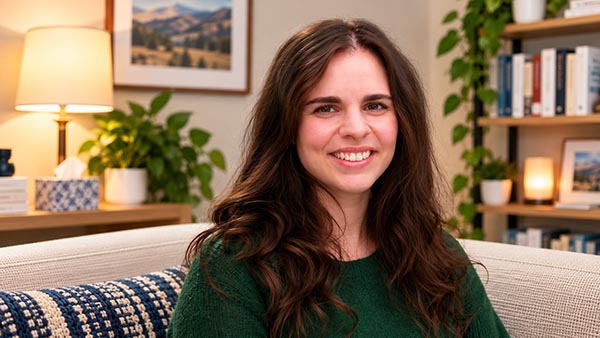
  • Allison Bare

    LSW · Gottman-Trained

    Locations: Altoona · Telehealth

    Skills: Gottman Method, IFS, Somatic Techniques

    Services: Marriage Counseling, ADHD, Autism

    Therapy should reflect the fact that no two people experience the world in exactly the same way.

    Allison provides Gottman-trained couples therapy and works with individuals ages 10 and up — supporting them through ADHD, autism, anxiety, addiction, grief, and life transitions.

  • Ashlie Mohney

    LPC · Licensed Professional Counselor

    Locations: Robinson · Telehealth

    Skills: Gottman Method, CBT, Solution-Focused

    Services: Anxiety Treatment, Marriage Counseling, Autism

    I'm not a therapist who simply sits quietly and nods. I want you to leave each session with something meaningful, whether that's a new perspective, helpful feedback, or a skill you can put into pract

    Ashlie brings over a decade of experience supporting clients across the lifespan — children, adults, families, and older adults — with a person-centered, solution-focused approach.
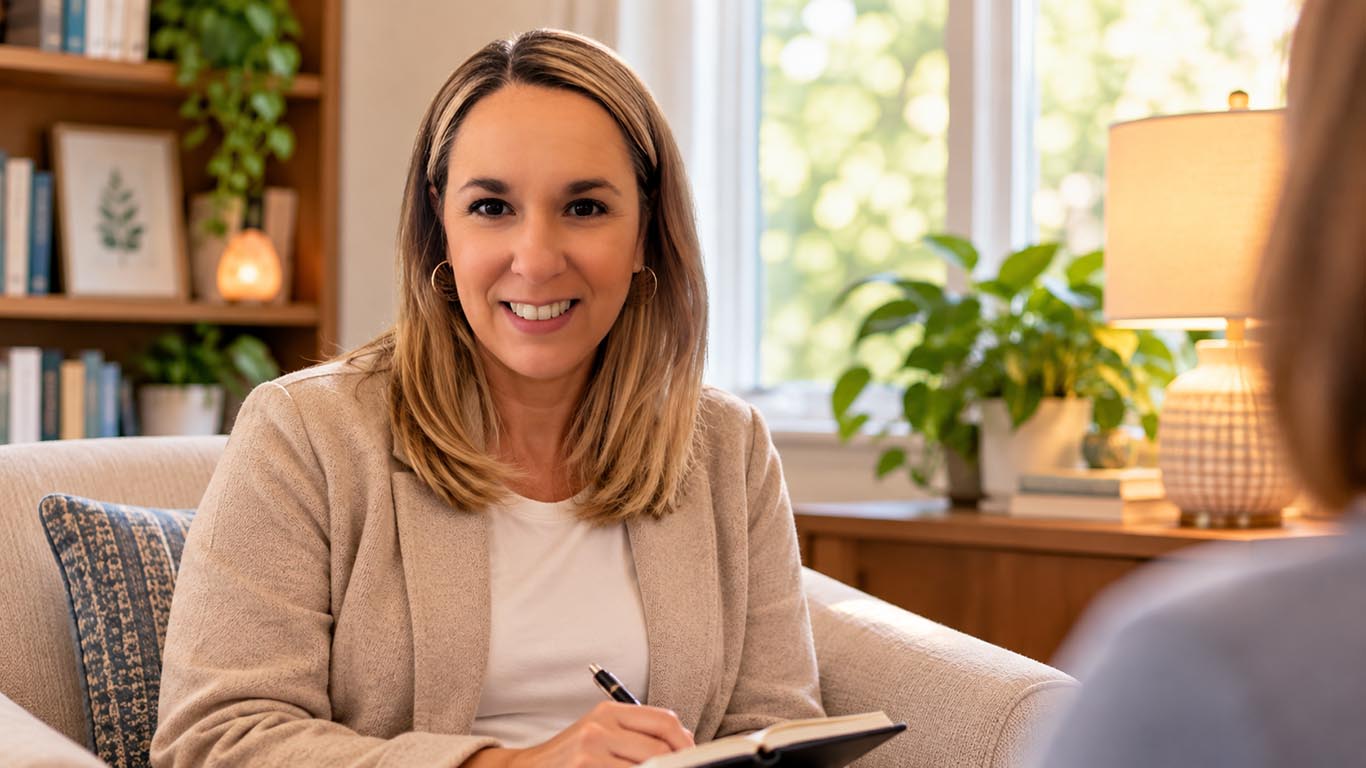
  • Autumn Staszak

    LPC · Licensed Professional Counselor

    Locations: South Hills in person · Telehealth statewide

    Skills: Gottman Method, TF-CBT, CBT

    Services: Depression Therapy, Anxiety Treatment, Women’s Mental Health

    Healing begins when people feel safe enough to be seen, heard, and understood.

    Autumn Staszak, LPC, works with adults and couples on anxiety, trauma, and work stress — and with couples on communication, affairs, and uncoupling. 20+ years, TF-CBT certified.

CONDITION GUIDE

Relationship guides from our therapists

  • Four Horsemen

    Gottman Method

    The Four Horsemen of Relationships (and Their Antidotes)

    Gottman’s Four Horsemen are four communication patterns associated with relationship distress: criticism, contempt, defensiveness and stonewalling. Their antidotes are a gentle startup, building appreciation and respect, accepting responsibility, and physiological self-soothing. Couples don’t need to eliminate conflict. Learning to recognize these patterns early can help them interrupt escalation, repair more quickly and communicate without losing connection.

  • Gottman Method

    Gottman Method

    What Is the Gottman Method? A Practical Guide

    The Gottman Method is an evidence-informed form of couples therapy based on decades of research into how couples interact. Therapists help couples strengthen friendship and intimacy, recognize destructive conflict patterns, communicate needs more effectively, repair after disagreements, and create shared meaning. Gottman therapy may help many distressed couples, but standard couples therapy may not be appropriate when coercive control, violence, immediate safety concerns, or other conditions make honest participation unsafe.

  • Gottman Method

    Gottman Method

    What Can Your Relationship Become? A Gottman Story

    Gottman Method couples therapy helps couples move beyond recurring arguments by changing the patterns underneath them. Couples learn to recognize criticism, defensiveness, contempt and withdrawal; communicate needs more clearly; repair conflict sooner; strengthen friendship and intimacy; and build shared goals. The aim isn’t a relationship without disagreement. It’s a relationship both partners know how to return to.

COMMON QUESTIONS

Questions about the Gottman Method

Straightforward answers to what patients ask most often before their first session.

The Gottman Method is one of the most heavily researched approaches to couples therapy, built on more than four decades of studying real relationships. That research means your therapist isn’t guessing — they’re working from patterns shown to predict whether couples grow closer or drift apart. Most couples who engage with the work see real change in how they communicate and repair conflict, though every relationship is different.

We can’t promise any particular outcome — no ethical therapist can. What Gottman-trained therapy can do is give you a clear picture of what’s happening in your relationship and the practical skills to change it. Many couples arrive feeling stuck and rediscover real connection. Others gain the clarity to make a hard decision with less pain. Either way, you’ll know you gave it your best.

Couples work is strongest when both partners take part, since so much of it happens between you in the room. That said, it’s common for one partner to feel more ready than the other at first, and we can start there. If your partner is hesitant, an individual session can help you figure out how to invite them in without pressure.

It depends on what you’re working through. Some couples come for a focused stretch of eight to twelve sessions around a specific issue; others stay longer to rebuild after a deeper rupture. Your therapist will talk openly with you about a realistic timeframe after the assessment, and you’re always in control of the pace. There’s no program to commit to.

Many couples we see have tried counseling that didn’t help — often because it stayed focused on rehashing arguments rather than teaching skills. The Gottman Method is structured differently: it assesses your specific patterns, then gives you concrete tools to practice. If past therapy felt like talking in circles, this tends to feel more practical and directed. A previous attempt doesn’t mean you’re out of options.

Recovering after an affair is hard, but it’s some of the work Gottman-trained therapists are most prepared for. There’s a structured path — moving from the initial rupture toward honest repair — that depends on real transparency from the partner who strayed and support for the partner who was hurt. It isn’t quick, and it isn’t guaranteed. But many couples do rebuild trust, and some come out more connected than before.

Absolutely — premarital counseling is one of the best investments an engaged couple can make. Rather than waiting for problems, you build the skills early: how you communicate, handle money, navigate family, and manage the differences every couple has. Gottman’s approach is well suited to it, giving you a shared language for the relationship before the pressures of married life arrive.

READY TO START?

Give your relationship your very best

We can’t promise every marriage survives. We can promise you’ll understand your relationship more deeply, communicate more effectively, and know you’ve given it your very best.